Styles & Types
Finding the right
style for you.
Hearing aids come in six main styles, each with a different size, placement, and set of trade-offs between discretion, power, and ease of use. The right style depends on your degree of hearing loss, the shape of your ear canal, and your day-to-day lifestyle. Our hearing care provider will guide you to the best fit.

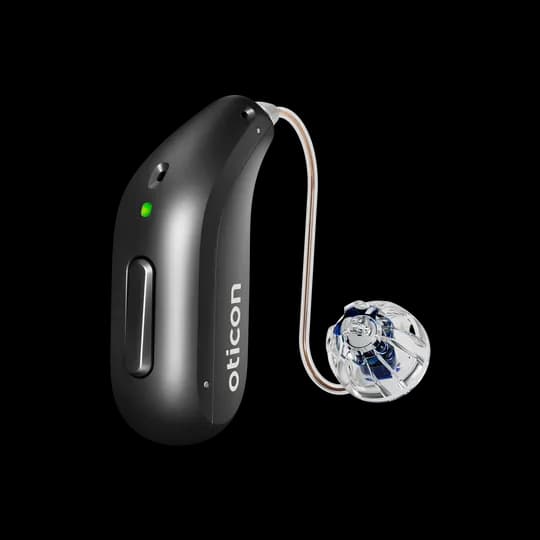
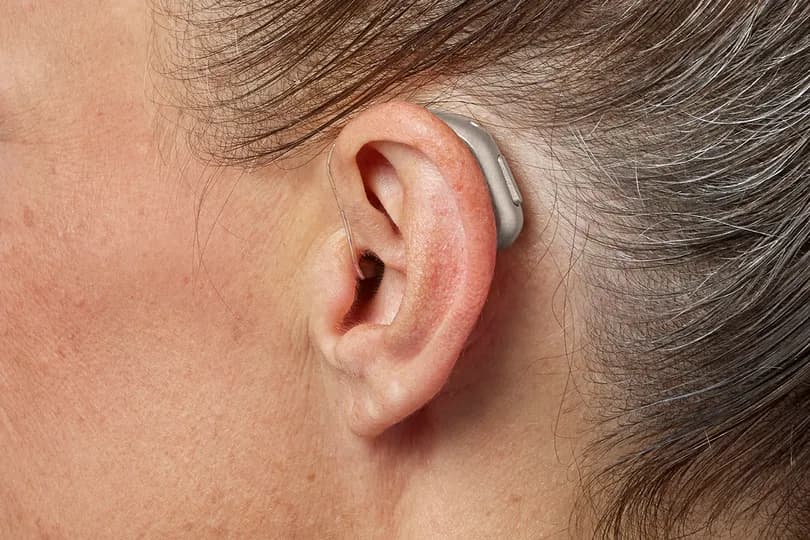
Receiver-In-Canal
The most widely fitted style today. A slim body sits behind the ear and a nearly invisible wire carries sound directly to a small speaker (receiver) placed in the ear canal. Natural sound, discreet profile, and suitable for a wide range of hearing losses.
Best For
- Mild to severe hearing loss
- First-time hearing aid wearers
- Those who want a discreet, comfortable fit
- Active lifestyles, lightweight and secure
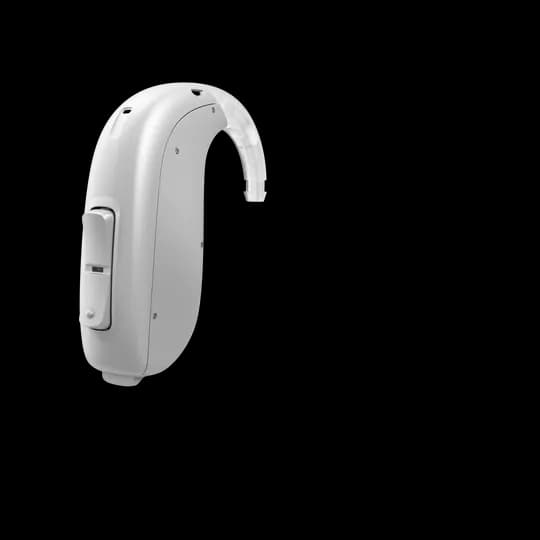
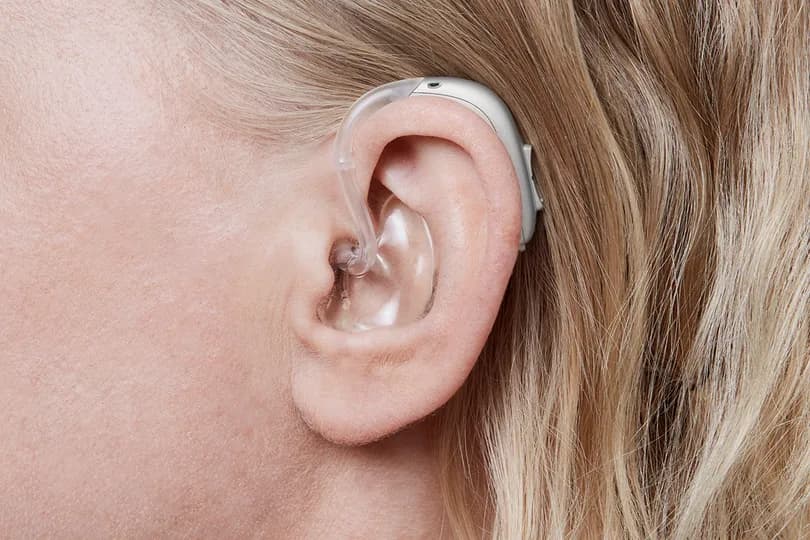
Behind-The-Ear
The largest and most powerful style. The full device sits behind the ear and connects to a custom ear mold via a clear acoustic tube. BTE aids offer the longest battery life, the most features, and the widest fitting range, including profound hearing loss.
Best For
- Moderate to profound hearing loss
- Children (durable and easy to adjust)
- Those with limited dexterity
- Users who need maximum power and features
In-The-Ear
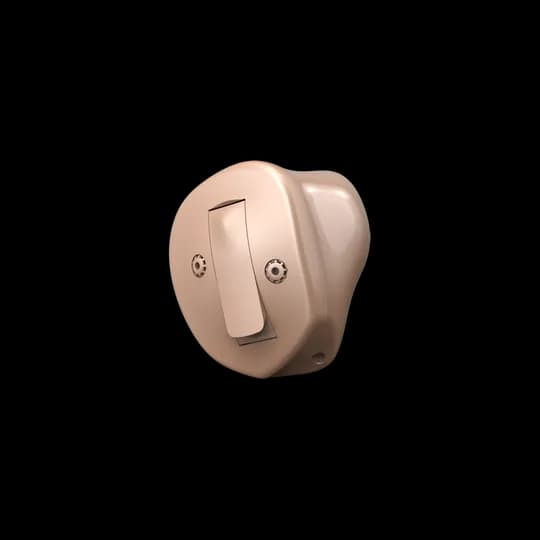
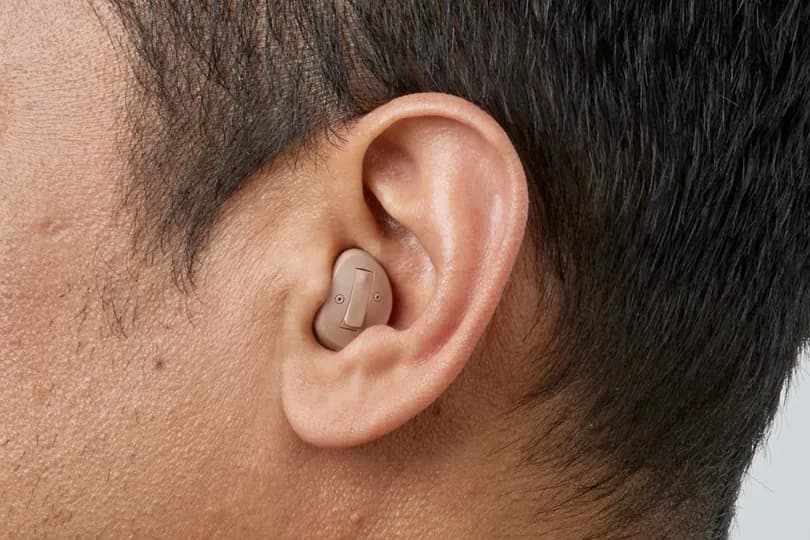
Custom-moulded to fill the outer bowl of the ear (the concha). More visible than canal styles but easy to handle and insert. ITE aids can accommodate a wider range of features, including directional microphones and larger batteries, than smaller custom styles.
Best For
- Mild to severe hearing loss
- Those who find smaller devices difficult to handle
- Users who prefer volume controls on the device
- People with larger ear canals


In-The-Canal
Sits in the lower portion of the outer ear and ear canal opening. Smaller and less visible than a full ITE, while still offering a reasonably comfortable fit and some manual controls. A good middle ground between discretion and ease of use.
Best For
- Mild to moderately severe hearing loss
- Those who want a more discreet custom fit
- Users comfortable handling small devices
Completely-In-The-Canal
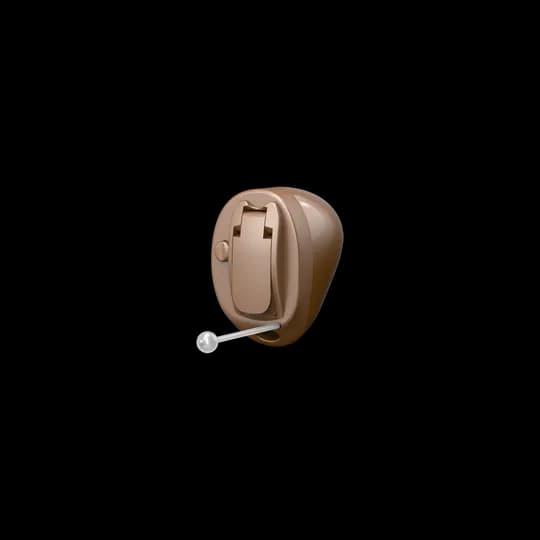
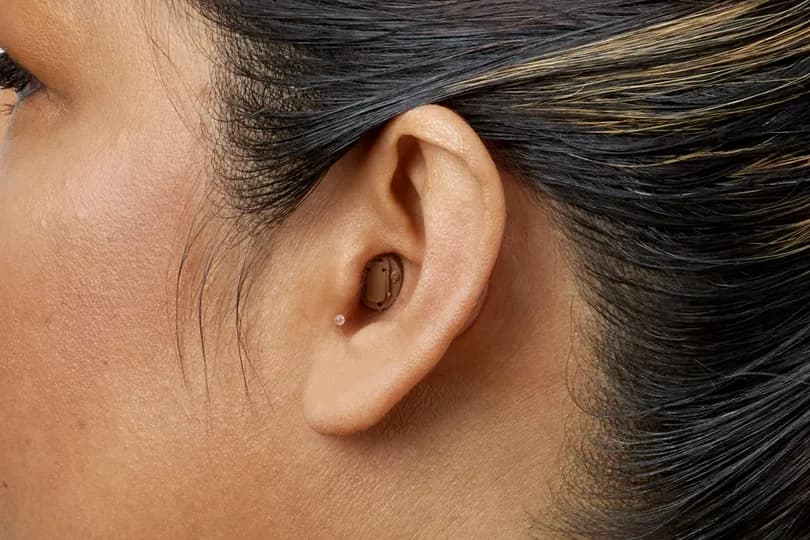
Moulded to fit almost entirely inside the ear canal, with only a small removal handle visible at the opening. One of the most discreet options available, using the ear's natural shape to collect sound. Battery life is shorter due to the small cell size.
Best For
- Mild to moderately severe hearing loss
- Those prioritising cosmetic discretion
- Active users, less susceptible to wind noise
- Adults comfortable with small device handling
Invisible-In-The-Canal
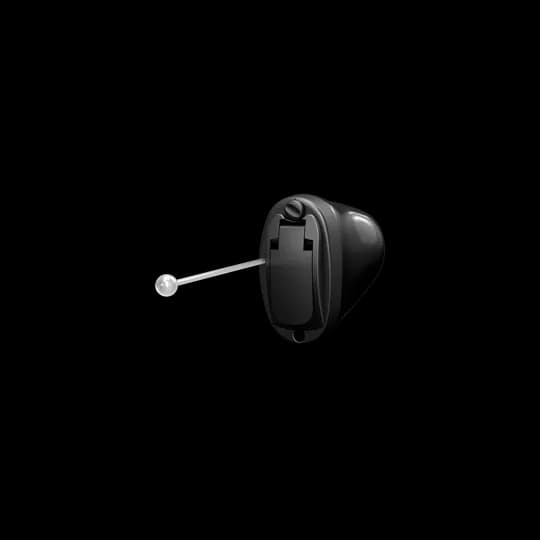
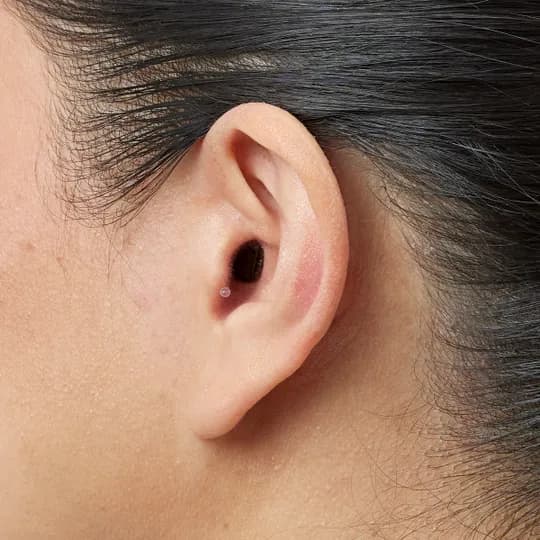
The smallest custom hearing aid available. Positioned deep in the second bend of the ear canal, it is completely invisible to others. Typically removed daily. Not suitable for all ear canal shapes, and limited to mild-to-moderate hearing losses, but unmatched in cosmetic invisibility.
Best For
- Mild to moderate hearing loss
- Adults who want truly invisible amplification
- Those with suitable ear canal anatomy
- Users committed to daily insertion/removal
Not Sure Which to Choose?
We'll help you
decide together.
The best hearing aid style is the one you'll actually wear. That depends on more than just your audiogram. Your ear canal anatomy, manual dexterity, cosmetic preferences, and the listening situations you care most about all play a role.
At Prairie Hearing, we take the time to walk you through each option, let you handle demonstration models, and make a recommendation based on your specific situation, not on margins or manufacturer incentives.
Brands We Carry